The Context
During the COVID-19 pandemic, hospitals restricted visitor access. Families couldn't see their loved ones in person, and standard video calls felt impersonal and limiting.
The Solution
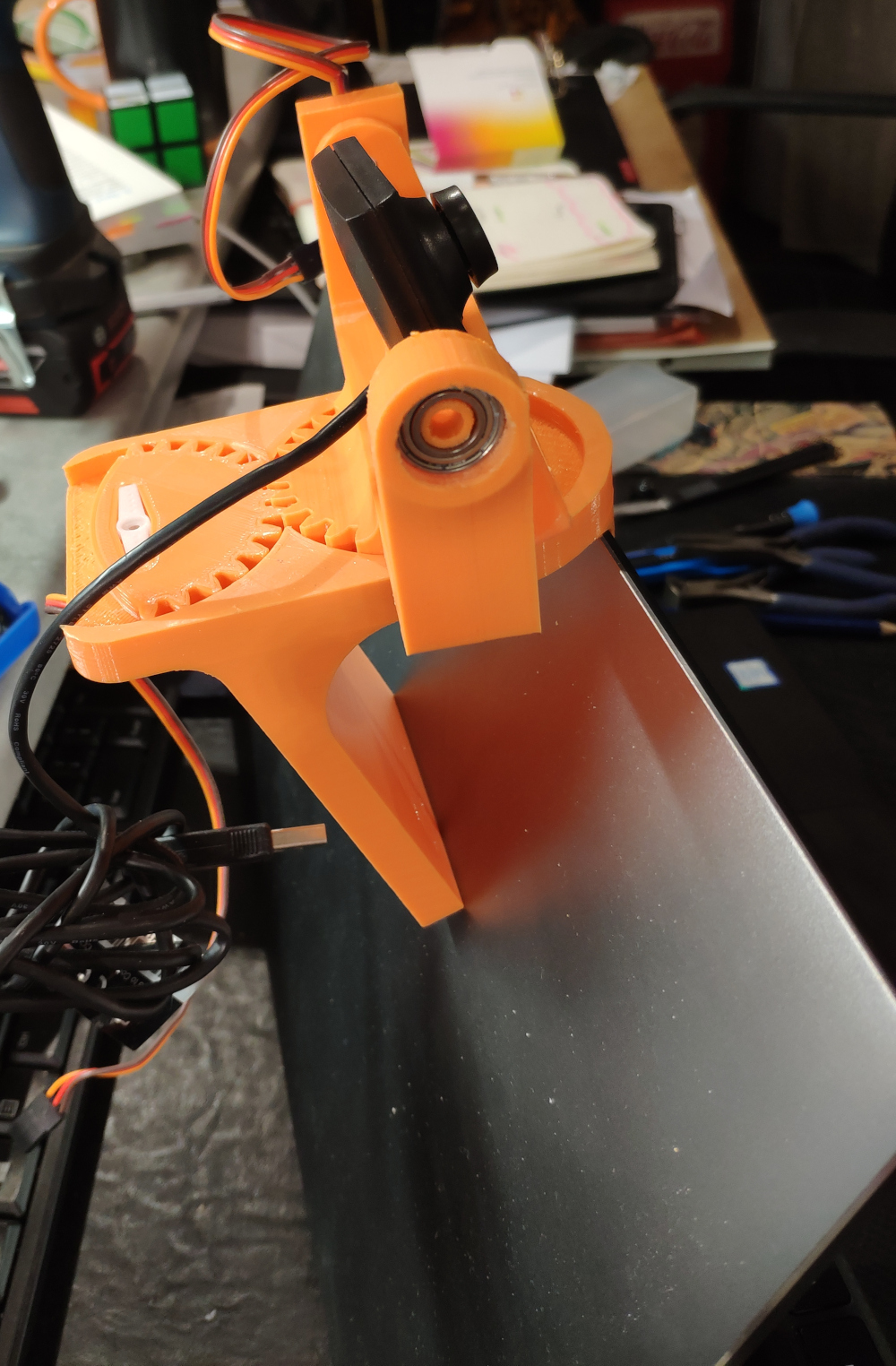
I developed a simple actuated webcam that families could control remotely:
Features
-
Two-axis rotation - pan and tilt control
-
Remote control - family members control from home
-
Simple interface - easy for non-technical users
-
Low cost - could be deployed widely
How It Works
The webcam sits by the patient's bed. Family members can:
-
Look around the room
-
Follow the patient's movements
-
Have a more natural, interactive conversation
-
Feel more present in the moment
The Impact
This device bridged the communication gap between hospitalized patients and their families:
-
More natural interactions - looking around vs. fixed camera angle
-
Emotional connection - feeling more present during calls
-
Patient comfort - knowing family can "be there" with them
Engineering for Good
This project reminded me why I became an engineer. Not every project needs to push technological boundaries. Sometimes the most valuable thing you can build is something simple that helps people connect during difficult times.
Rapid Response
The pandemic demanded quick solutions. This project showed that engineering skills can be deployed rapidly when there's a clear human need - no lengthy development cycles, just identify the problem and build a solution.